
Free Valuation
Our team of specialists will advise you on the real value of your property. Click here.
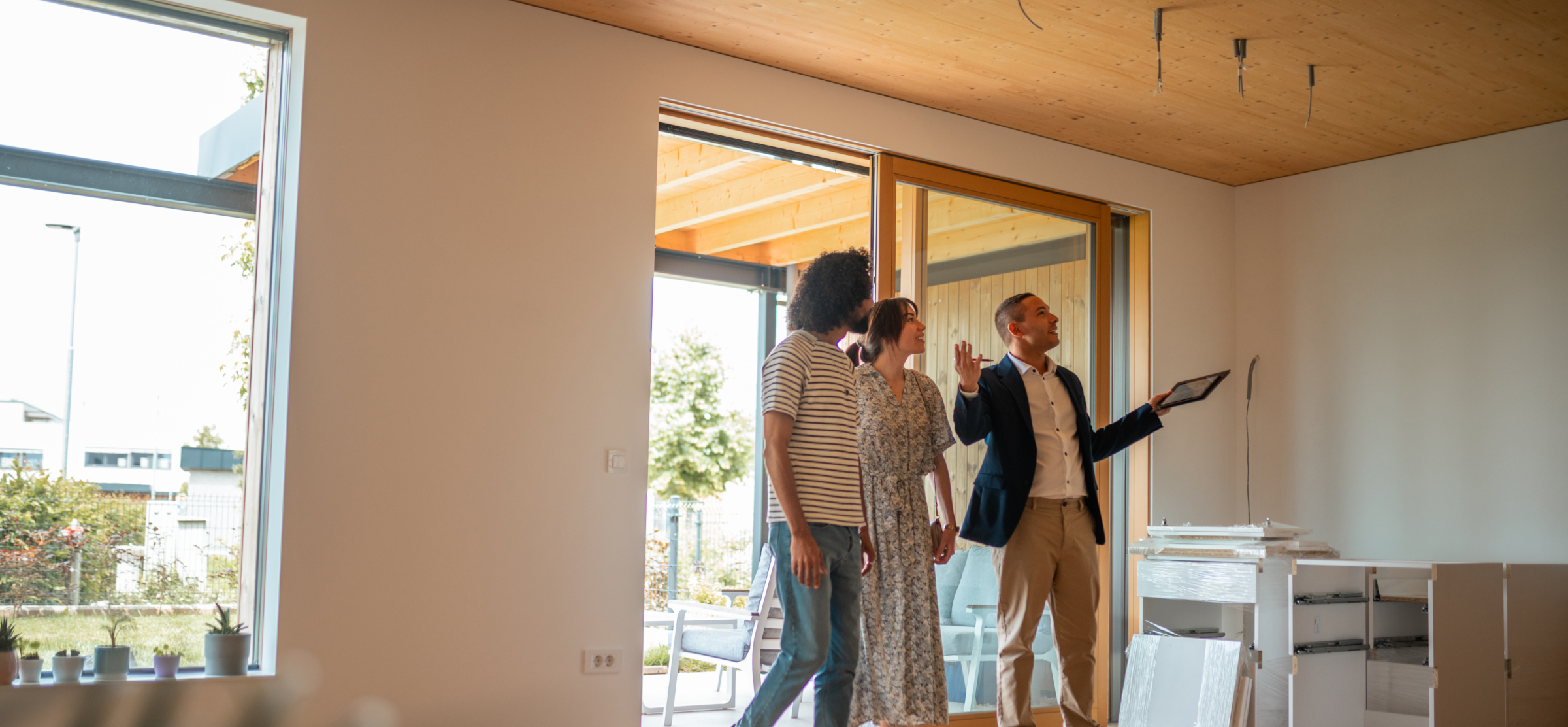

Most homeowners don’t realise that 70 percent of interest in their property occurs within the first three weeks of listing. Your chances of a quick and profitable sale can drop significantly if you make common selling mistakes. Buyers usually make up their minds about a property in the first 20 to 30 seconds of viewing it.
The right pricing strategy is a vital part of selling your home. Serious buyers often skip overpriced properties, which leads to longer market times. Your property might stay listed for months if you set an asking price above the local market value.
This piece explores mistakes that sellers often make in today’s competitive market. We’ll help you avoid common pitfalls like picking the wrong estate agent or neglecting your home’s presentation. You’ll find practical advice to maximise your property’s sale potential.
Pricing your home too high ranks among the biggest mistakes sellers make. Rightmove’s research shows properties are 10% less likely to go under offer after a price reduction. The chances of a sale falling through almost double once you cut the price.
The numbers tell a clear story – you’re twice as likely to find a buyer if someone accepts your first asking price. Sellers who need to drop their prices later only have a 32% chance of finding a buyer. Those who price right from the start see a 63% success rate.
Overpriced homes sit on the market much longer, too. Correctly priced properties find buyers in just 21 days. Homes needing price cuts take 47 days to sell – that’s an extra 26 days on the market.
Buyer psychology plays a big role here. They compare similar homes in the area and quickly spot inflated prices. Many skip viewings completely if they think something’s wrong with the property or the seller isn’t realistic. Broker Dorothy Schrager puts it well: “Sellers seem to think that their home is the most beautiful of all – and they’ve lived in it for years, and it is beautiful to them”. Buyers don’t share that emotional connection.
Here’s what to think about when setting your price:
Estate agents can guide you on your home’s true value, but you make the final call. Some markets respond well to pricing about 5% below the Home Report value. This makes the property appear as ‘good value’ and might spark a bidding war.
That first week on the market can make or break your sale. Zillow’s 2024 Seller Report shows 84% of sellers who cut their price later wished they hadn’t. Price cuts often led to lower offers and longer selling times.
Your best offers usually come in the first 3-7 days. Your listing gets maximum exposure during this time. It shows up prominently on platforms, estate agents send it to their buyers, and serious house hunters schedule viewings fast.
Missing this window can get pricey. Your listing loses its shine as time passes, and buyers wonder why it hasn’t sold. Even after a price cut, doubts often linger. Buyers see price drops as red flags. The right price from day one sets you up for success.
Yes, it is like they say in real estate: “You only get one chance to make a first impression. And in real estate, that chance lasts about a week”.
The right estate agent can make all the difference when selling your home. You need a skilled professional to guide you through one of life’s biggest transactions. This isn’t a decision you should rush based on the highest valuation or lowest fees.
A trustworthy agent should direct you smoothly through the selling process. Look for professionals who hold recognised industry qualifications from organisations like NAEA Propertymark, Royal Institute of Chartered Surveyors (RICS), or The Guild of Professional Estate Agents. These credentials show their commitment to professional standards and agreed codes of practice.
Great agents excel at communication. They should actively reach out to potential buyers and keep you updated without prompting. They must also adapt to your preferred way of staying in touch, whether you like emails, texts, or phone calls.
Quality matters in property presentation. Take a look at how they showcase other properties. High-quality photos, detailed descriptions, and complete floor plans give you a good idea of how they’ll market your home. You should also ask about their recent sales, particularly properties that match yours.
Watch out for agents who give valuations much higher than others. Some will inflate prices just to get your business. They’ll likely suggest price cuts a few weeks later when interest is low. Properties often get stuck on the market this way, and buyers lose interest. You’ll probably end up with a lower sale price.
Bad communication should set alarm bells ringing. An agent who takes ages to return calls or gives vague updates now will likely do the same during your sale. Be suspicious of hidden referral fees for solicitor or mortgage broker recommendations – it suggests they’re not putting your interests first.
Read contracts thoroughly before signing. Push for flexible terms – you shouldn’t be tied in for more than 12 weeks, including notice period. Get clarity on what their fee covers and any extra costs upfront.
Agents who know your area well bring great expertise to your sale. They understand what local buyers want, know the rules, and stay updated on community developments. This knowledge helps them price your property right and showcase its best features to potential buyers.
Local agents build strong community connections. Their relationships with solicitors, surveyors, and potential buyers can speed up sales and improve communication. They can tell buyers about schools, transport links, and amenities – details that matter when someone’s new to the area.
A good local agent sells more than just your property – they sell the lifestyle. They answer questions about planning, developments, and facilities that online-only agents or big national chains just can’t match.
Ask specific questions when meeting potential agents. Find out how they’ve handled properties like yours, their marketing plans, and their approach to viewings and negotiations. Their answers will show if they have what it takes to get the best outcome for your sale.
Your home’s presentation can make or break your sale. Homes that look neat and well-staged sell three times faster than messy ones. Buyers take just eight seconds to decide if they like a property. The way you showcase your home matters.
Clutter kills sales fast. Buyers look beyond your house – they try to imagine their own life there. Real estate agents say an untidy home can lose 20% or more of its value.
A messy house makes buyers think it needs repairs and renovations, even when it doesn’t. More than that, personal items like family photos or collections distract buyers and make it hard for them to picture themselves living there.
Your property will look better if you:
Buyers judge your home before they walk in. Good “kerb appeal” builds momentum that carries through the entire sale.
You get 10 seconds to wow a potential buyer. Your home’s exterior must shine. Beautiful interiors won’t matter if buyers don’t like what they see outside.
Make your exterior stand out by:
Dark rooms feel cramped, and no one wants that. Natural light makes spaces feel bigger and more inviting, so pull back those curtains. Turn on lamps to add warmth, and place mirrors where they’ll bounce light around.
Your home’s smell might be the hidden deal-breaker. Scents can change how buyers feel and what they think your property is worth. Bad smells from pets, dampness, or cooking can ruin the appeal of even beautiful homes.
Stage your home right:
Note that good staging creates a blank canvas where buyers see their future, not your style.
Your home’s selling speed depends on how flexible you are throughout the selling process. Many sellers make a common mistake by staying rigid with viewings and brushing off early offers.
Buyers will find your home more easily if you’re accommodating with viewing times. Most buyers have packed schedules and need to view properties during evenings and weekends. You might miss serious buyers who can’t adjust their schedules to yours if you limit your availability.
The right amount of time makes a huge difference in viewings. Buyers need 20-30 minutes to look inside your home and another 20-30 minutes to check the exterior and neighbourhood. A rushed viewing leaves a bad impression and stops buyers from connecting emotionally with your home.
That first offer deserves careful thought rather than a quick decision. You can thank the potential buyer and let them know you’ll respond after talking with your partner or estate agent.
The law in England and Wales states that offers aren’t binding until contracts are exchanged. This rule works both ways – buyers can take back offers, and sellers can look at other proposals.
Motivated buyers who’ve done their homework often make early offers and are serious about your property. Not taking time to think over these opportunities is one of the most expensive mistakes sellers make.
Turning down offers quickly when your home just hit the market might seem smart if you want a better price. In spite of that, timing is significant—waiting could get you better results if you’re not in a hurry.
Here’s something to think over: accepting an offer might be your best move if your property sits too long without interest. Buyers start questioning a home’s value or assume problems exist the longer it stays unsold.
The property market changes constantly. What looks like a low offer today might actually match your home’s true market value.
Last-minute surprises during property sales can get pricey due to oversights you could have fixed earlier. A smooth transaction needs proper preparation well before the sale.
Small defects leave lasting impressions on potential buyers. Your home’s overall condition gets judged by squeaky doors, dripping taps and cracked tiles. These issues create unnecessary doubts when left unaddressed. The repairs you should think over include:
Neglecting these repairs often leads to bigger problems and might completely discourage potential buyers.
Smart sellers appoint their solicitor right when they hire an estate agent. This strategy lets solicitors start contract preparation before finding a buyer. Really good solicitor work spots potential problems early and makes the conveyancing process smoother.
Property sales need lots of paperwork. Early collection of documents like property title deeds, EPCs, and planning permissions saves time later.
Property chains link multiple buyers and sellers whose deals depend on each other. Longer chains bring higher risks of complications. Your buyer’s mortgage approval status and their position in any chain matter greatly. Understanding these details helps you assess possible delays that could affect your sale.
Selling your home is one of the biggest financial moves you’ll make. You need to avoid mistakes that can get pricey and turn a quick, profitable sale into a long, frustrating process.
The right price tag matters from the start. Properties with the right price sell faster and often bring better results than those needing price cuts later. A qualified, responsive real estate agent who knows your area will give you great guidance throughout your selling trip.
First impressions make all the difference. A clean, well-presented property that looks great from the street creates an emotional bond with buyers. This can add thousands to your final sale price. On top of that, it helps to be flexible with viewing times so you don’t miss out on serious buyers who might choose more accessible properties.
Getting everything ready before listing your home will pay off in the final stages. Fix small repairs, get your paperwork ready early, and know your buyer’s situation to avoid delays and problems.
The property market keeps changing, but these basic rules stay the same. Whether you’re selling in a buyer’s or seller’s market, steering clear of these common mistakes will help you get the best results. With this knowledge, you can sell your home with confidence and get the best return on your investment.
Selling your home successfully requires strategic planning and avoiding common pitfalls that can cost you time and money.
• Price correctly from day one – homes priced accurately sell 10% faster and achieve better results than those requiring price reductions later
• Choose a qualified local estate agent with strong communication skills and relevant industry memberships like NAEA Propertymark or RICS
• Declutter and stage your home professionally – well-presented properties sell three times faster than cluttered ones and can increase value by 20%
• Stay flexible with viewings and consider early offers seriously – most buyer interest happens within the first three weeks of listing
• Prepare thoroughly by fixing minor repairs, instructing a solicitor early, and gathering all necessary paperwork before listing
Remember, you only get one chance to make a first impression in property sales, and that window typically lasts just one week. Properties that avoid these mistakes not only sell faster but often achieve higher final sale prices, making proper preparation essential for maximising your return on investment.
Our team of specialists will advise you on the real value of your property. Click here.


 |
Who’s Hot? And Who’s Not?Put simply, buyers who are ready to buy. So, if you have sold your home, cash buyer with nothing to sell or first time buyer with your finances in place your hot to trot! |
Why Register With Us?We sell 1 in every 4 homes across our effective area, so there is a good chance we will have your dream home coming on the market soon. Also, we typically alert our database of new homes up to 24 hours before they go online. |
 |
 |
Sell Your Home or Get a Mortgage Straight Away!It’s super important in a competitive market to get yourself in the best position possible. Whether that’s selling your current home or getting your finances in place. Luckily, we can help you with both. |